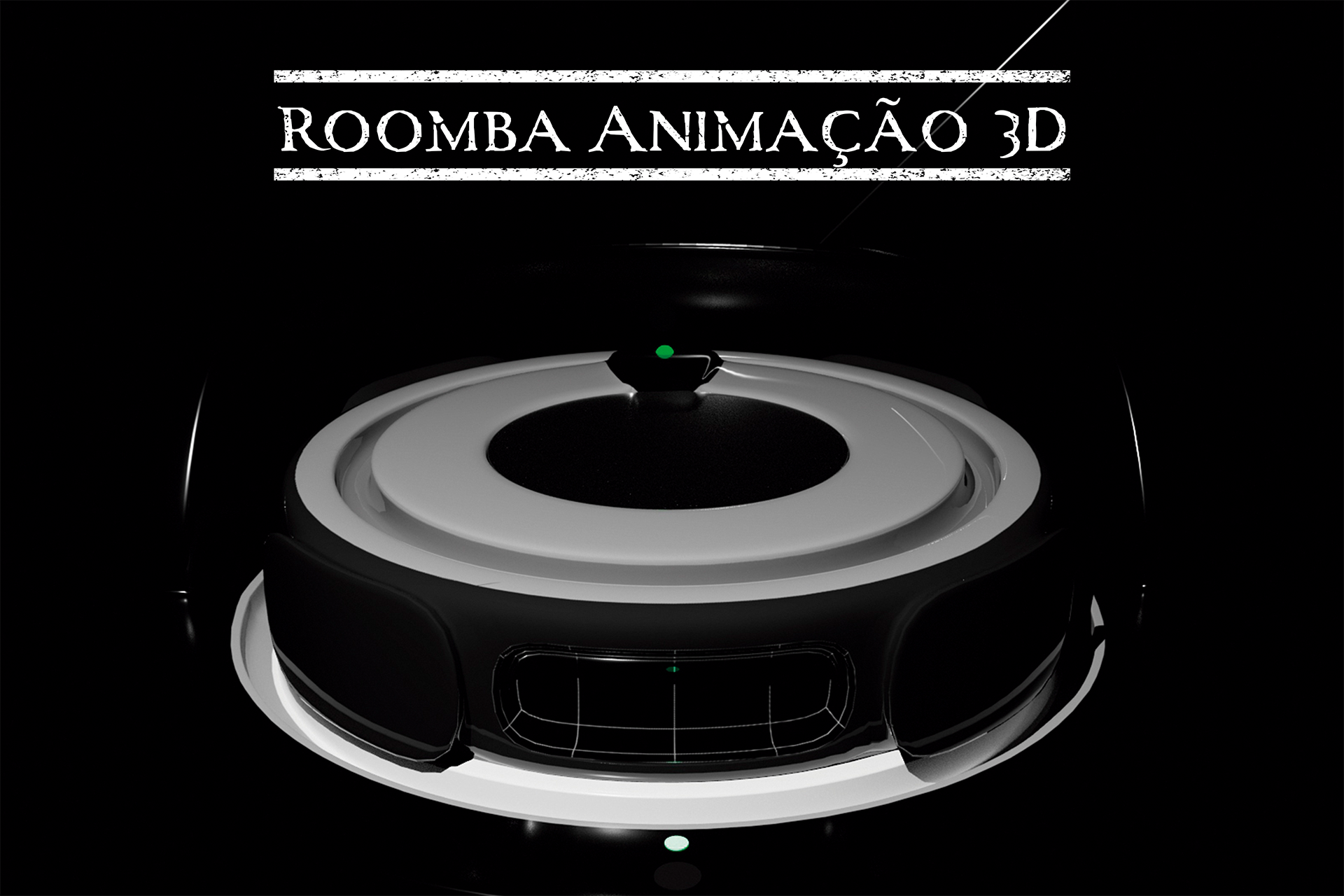
At college, I had a course on 3D animation. The final project for this course was to create, in a group, a 3D animation that told a story. I already had experience with 3D modeling in another software, but before this course I had never used Maya or worked on a longer 3D narrative animation. In this project, I worked with a group I was already familiar with from other assignments: Guilherme Salvador, Gustavo Flôres, Luiz Felipe Martins Pinto, and Pedro Hadardt.
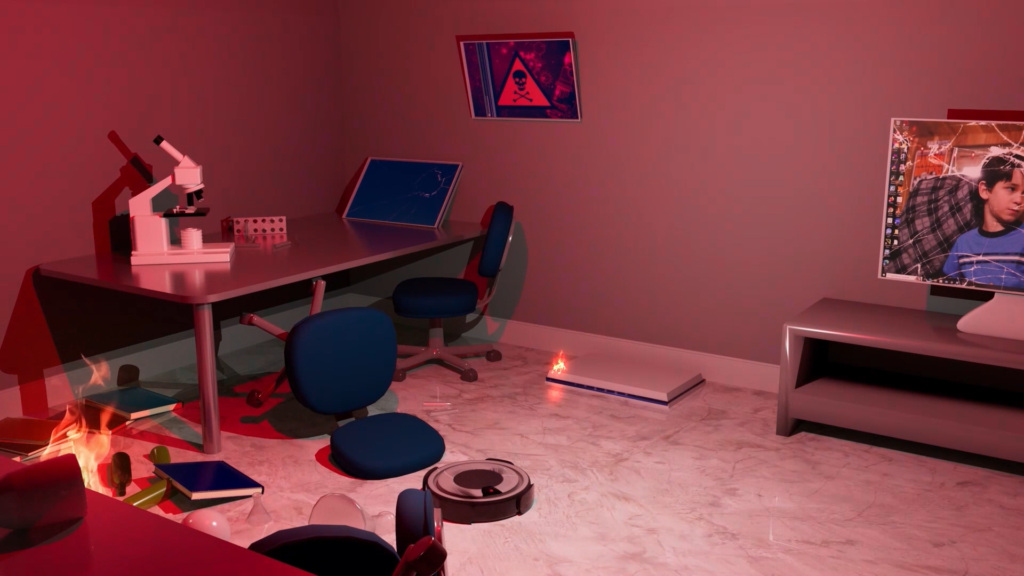
I brought an idea to the group that fit within the time we had and would still be interesting and fun. It was about a cleaning robot in a laboratory that, while trying to do its job, ended up exponentially making the place dirtier and breaking more things.
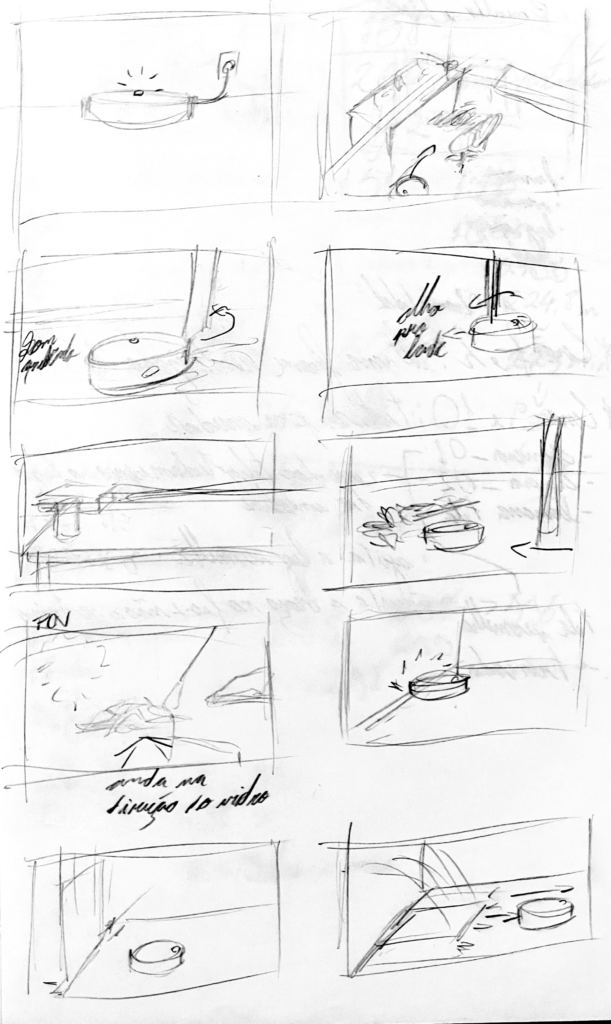
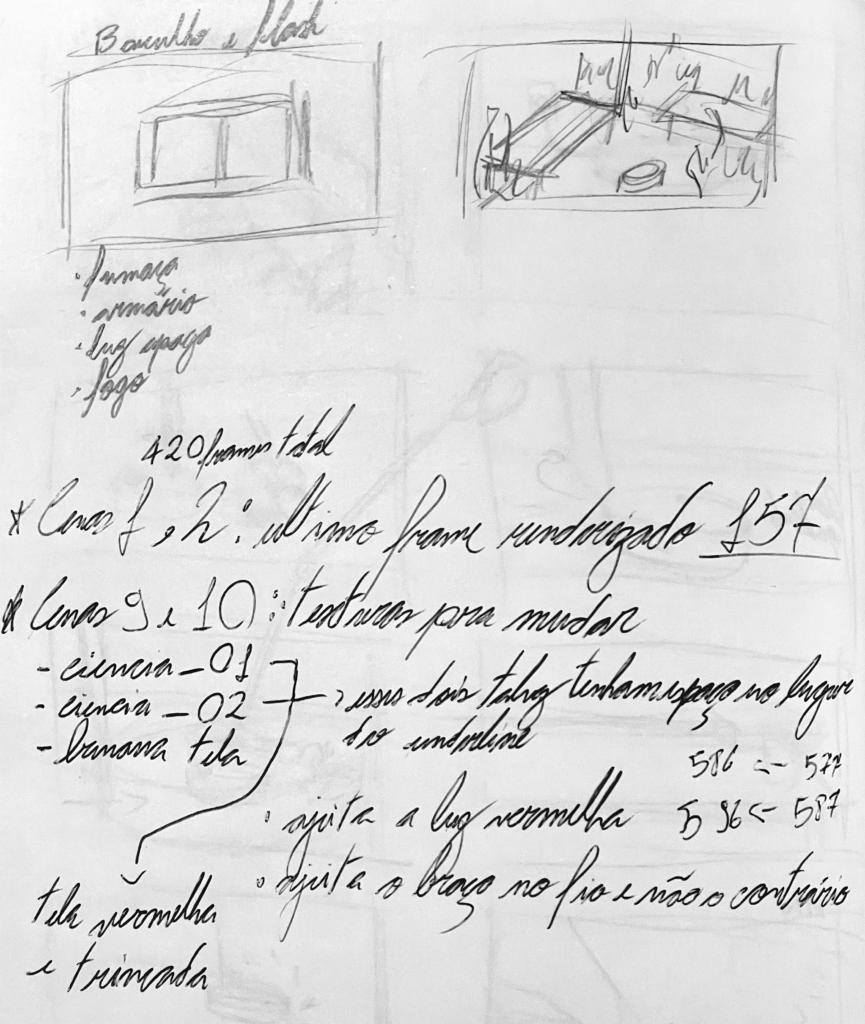
We discussed some of the technical aspects and worked out a proper ending for the story; we made a storyboard and figured how we would solve each scene.
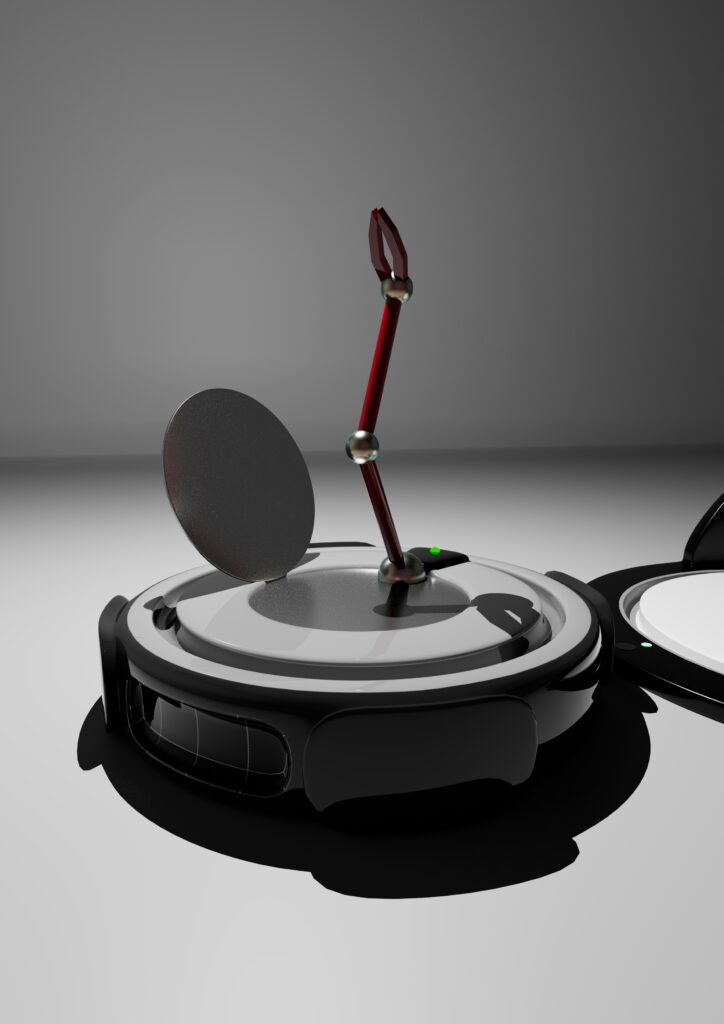
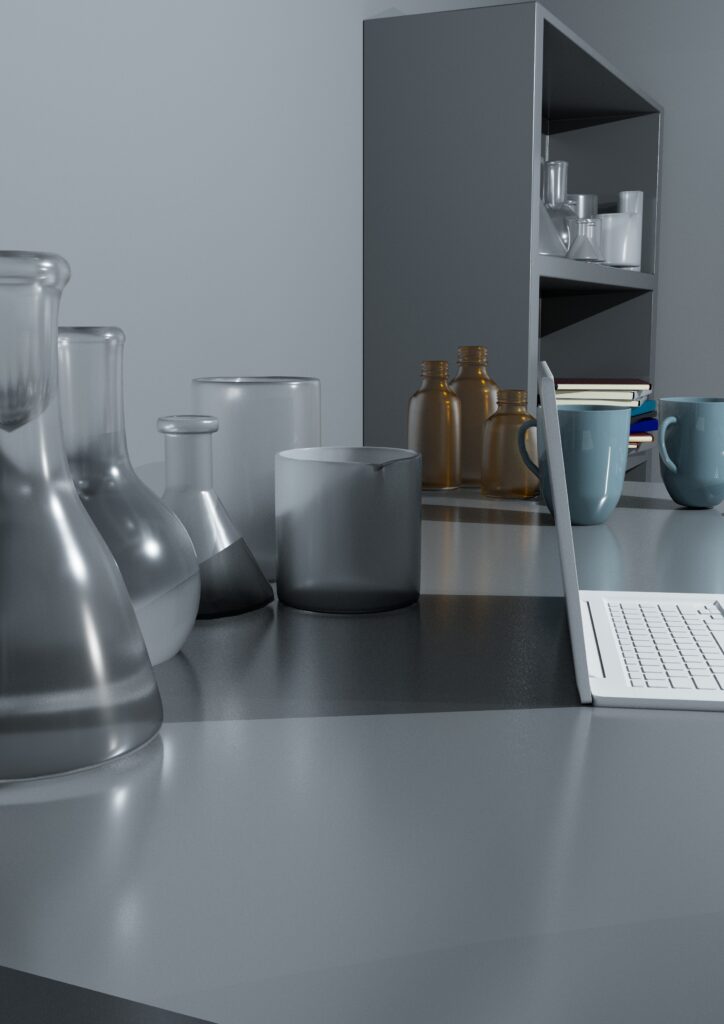
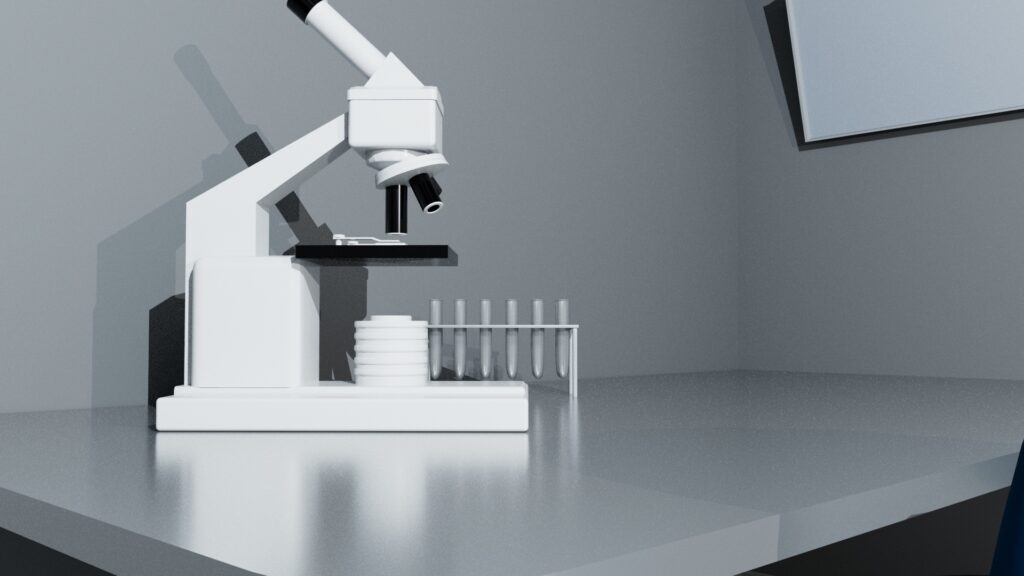
With the planning done, we started modeling the objects and the environment. I was in charge of modeling and rigging our robot, while the rest of the group modeled the environment. Once the characters and environments were done, we divided up the animation tasks based on the storyboard .
Since everything was well defined through the storyboard and our discussions, we didn’t face major problems while animating.
We had a few consultations with our professor, Eduardo Nogueira, who helped us with technical aspects of the animation and guided us to focus our efforts on what was worth spending time on.
As our deadline was tight, render time became an issue. Gustavo and I came up with the idea of using the college computers as a render farm. A few days before the deadline, we took some of the scenes that would take the longest to render and split the frames across several college computers. We left them running overnight and came back the next morning to collect them.
With all the scenes animated, it was just a matter of editing the short film, adding sound, and doing the post-production.