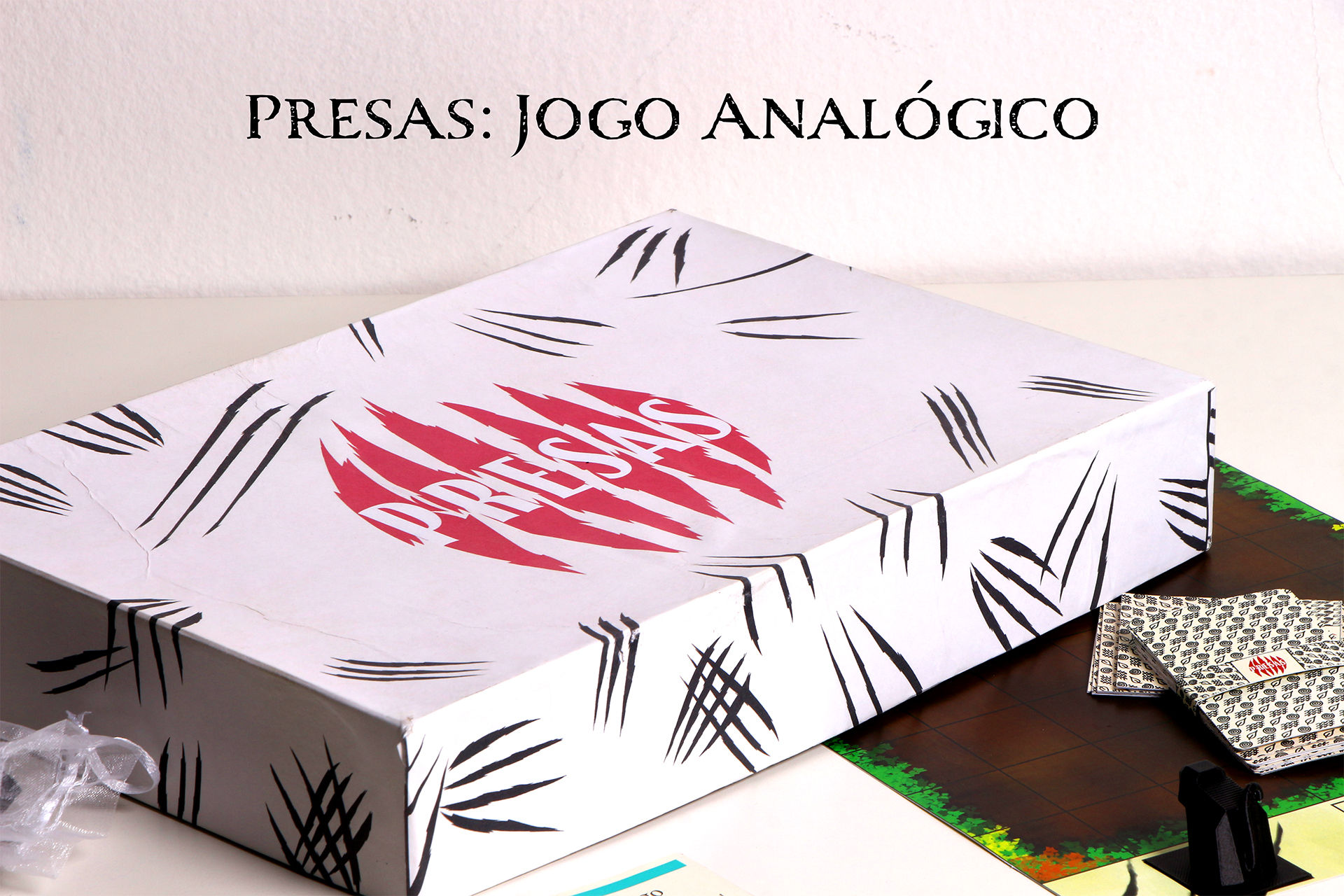
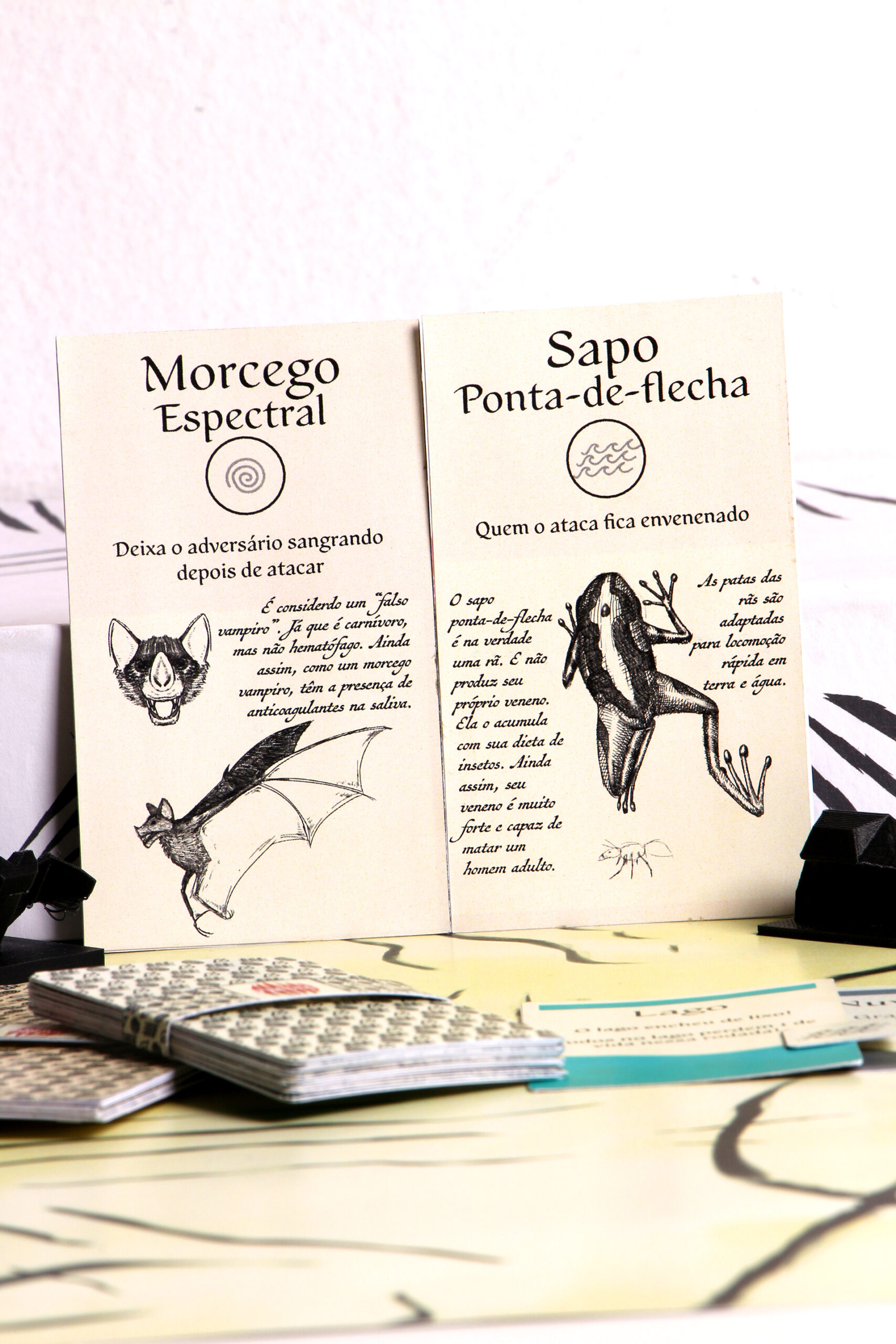
In college, I took an elective course with the goal of developing an analog game. In this class, we had the option to either redesign an existing game; making changes to its mechanics, target audience, or visual style; or to create a game from scratch.
We formed a group of three: myself, Luiz Felipe Martins Pinto, and Carol Calil. We agreed to develop the game entirely from zero, even though it was the most demanding option. Throughout the process, we received guidance from Professor Claudia Weber, who helped us a lot with research tools, organization, and technical aspects of game production.
Research and concept
First, we defined the theme and style of the game. We wanted something that involved animals and was not overly dependent on luck. With these elements in mind, we began researching and realized it made sense to create a game that could spark curiosity and interest in Brazilian wildlife. Given the growing environmental issues in Brazil and around the world, we also wanted to raise awareness about the effects of human actions on animal habitats.
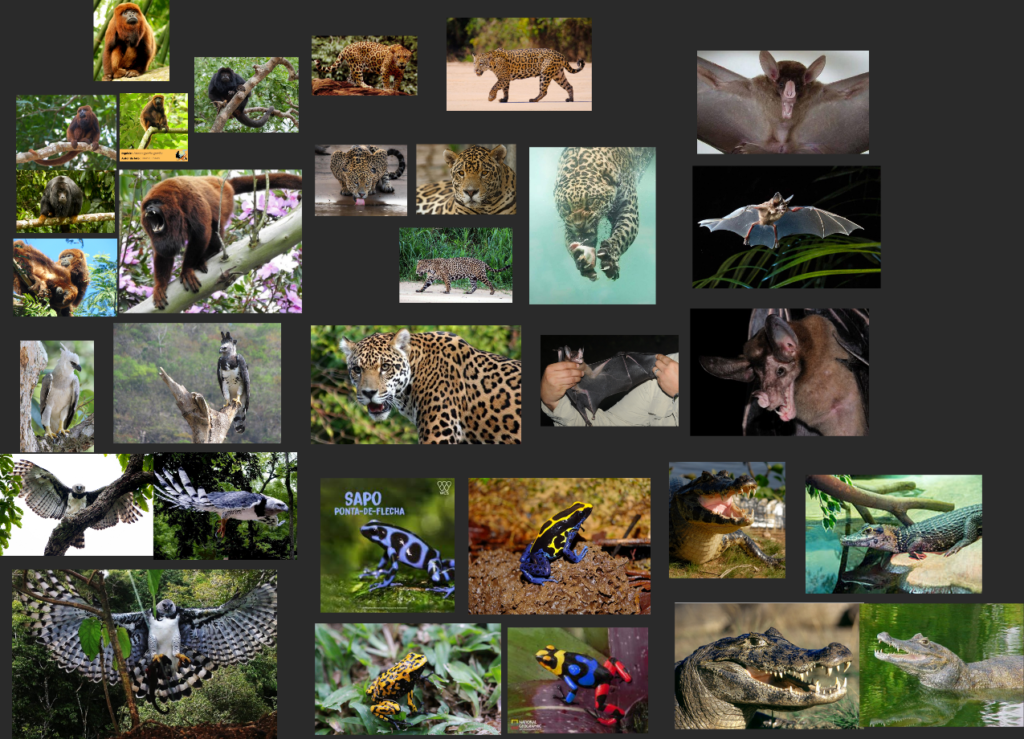
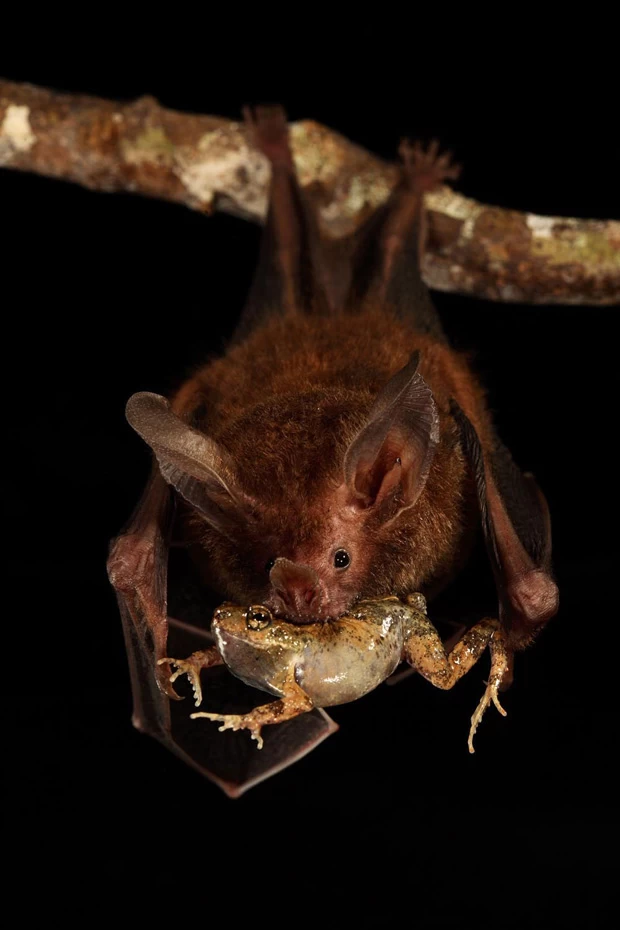
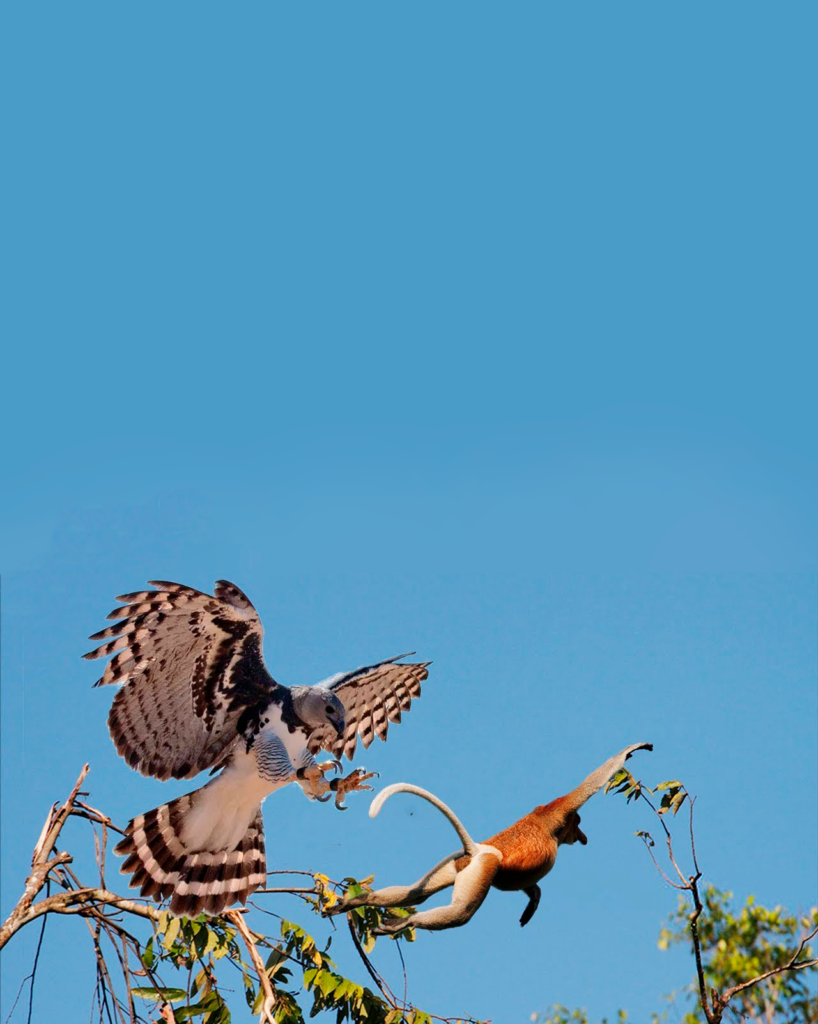
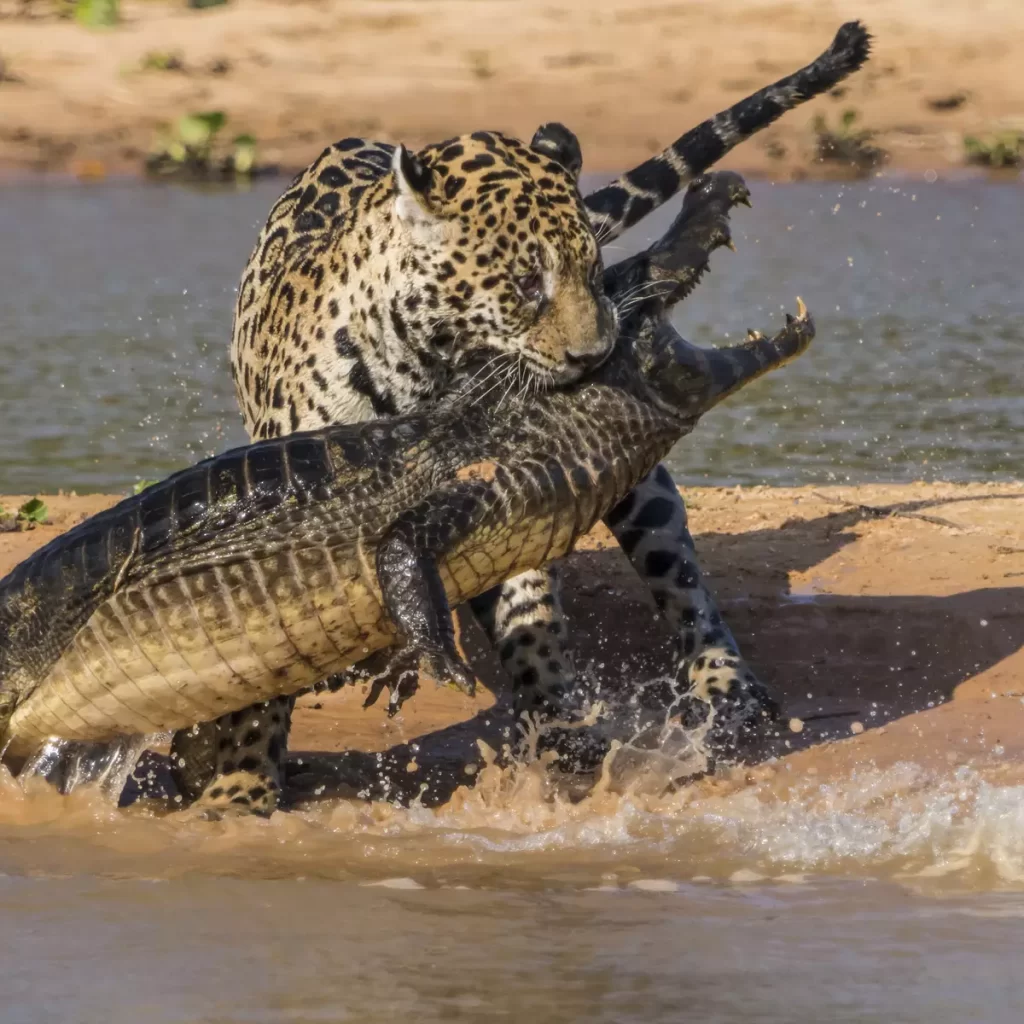
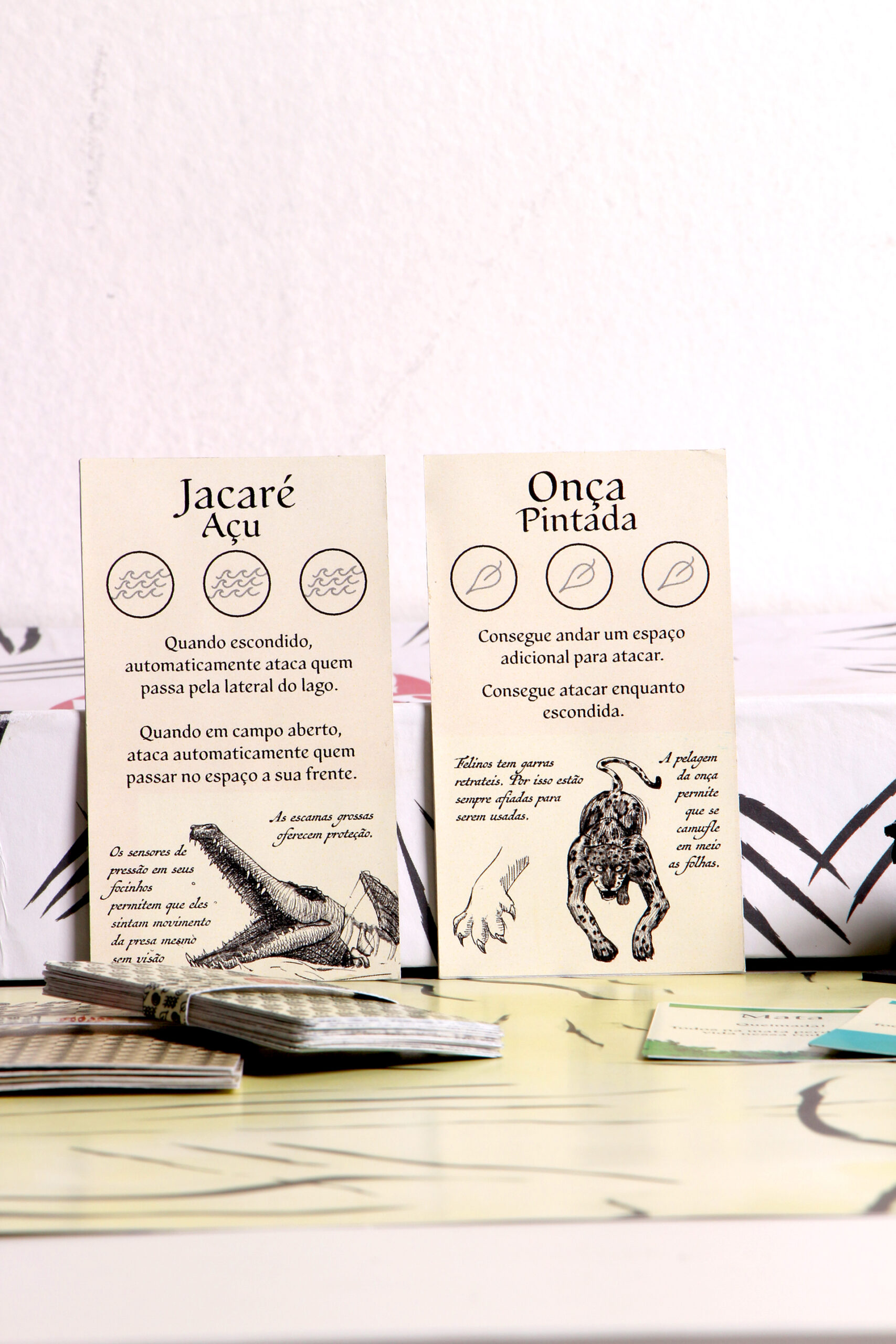
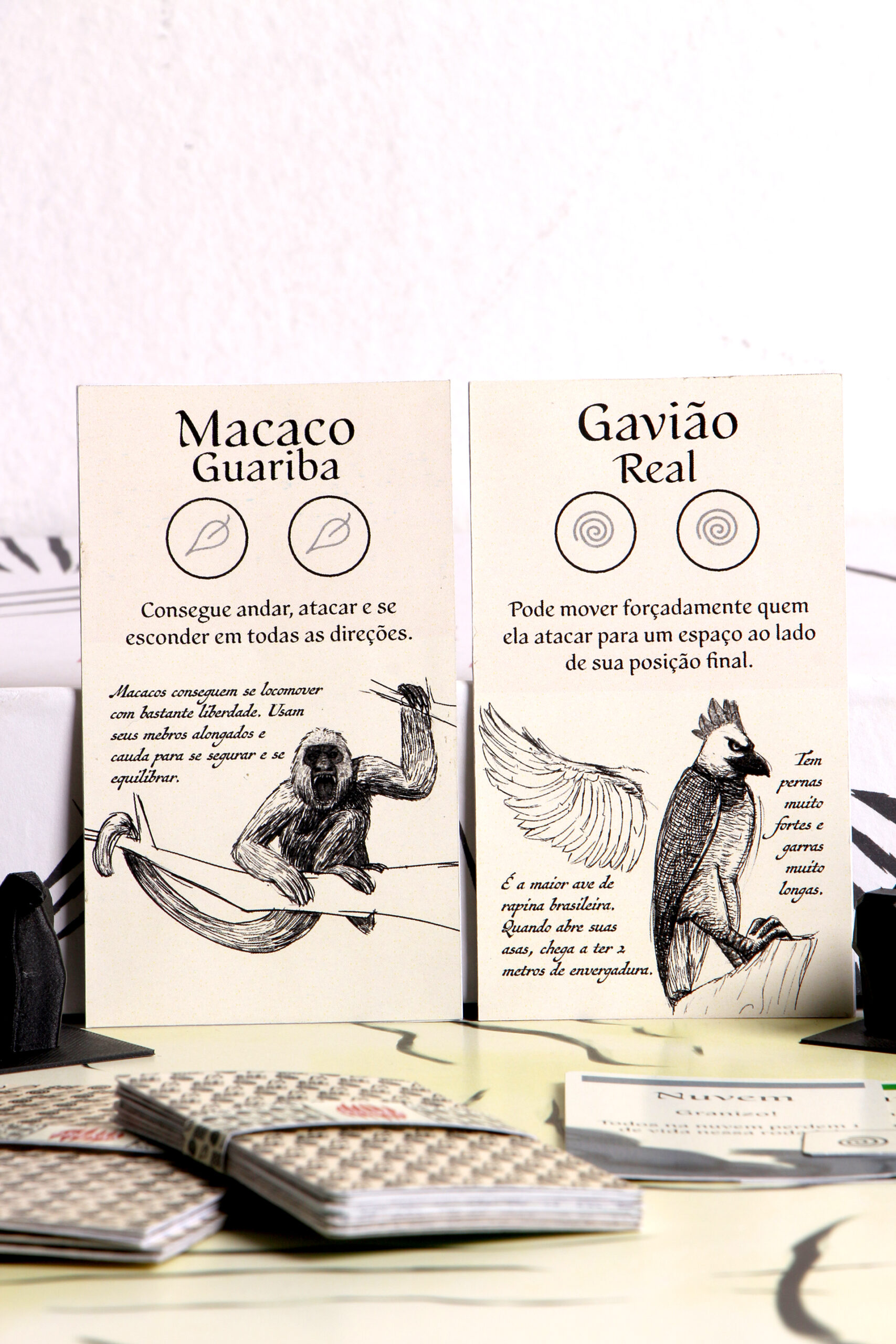
We selected the animals based on both gameplay dynamics and semantic value. We chose two small, two medium, and two large animals. Each pair of animals within the same size category are natural enemies in real life. This fit well with the structure of the game, where two animals of the same size cannot be on the same team. So, the confrontations in the game mirror the ones that happen in nature.
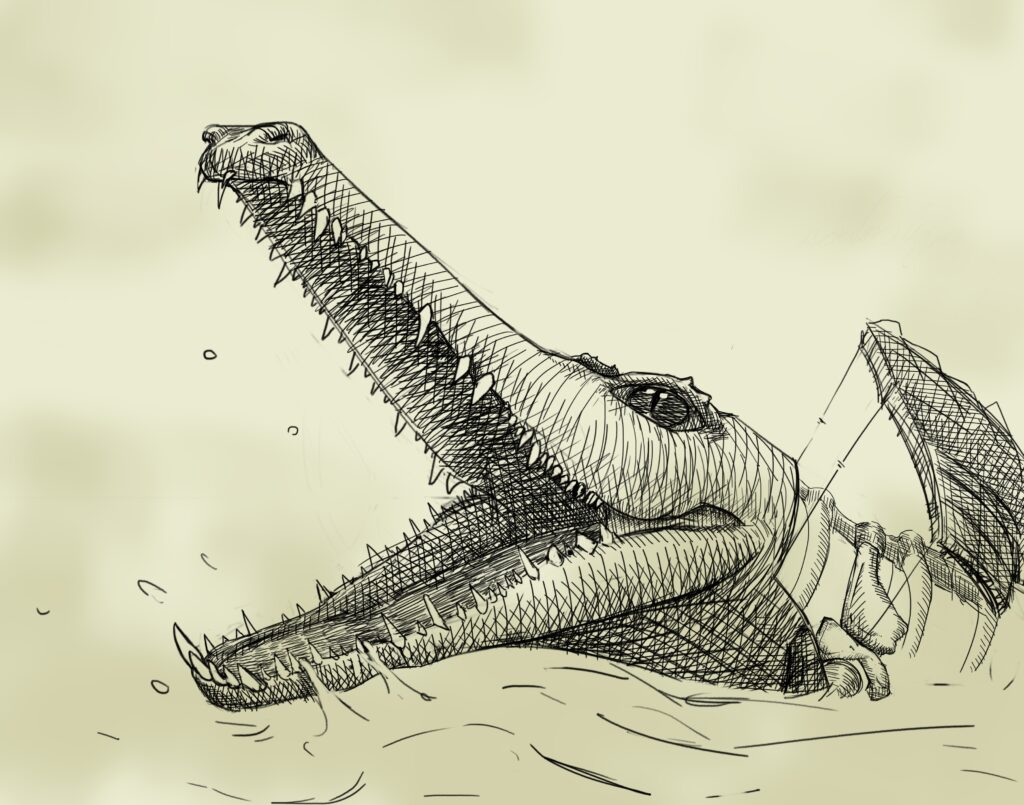
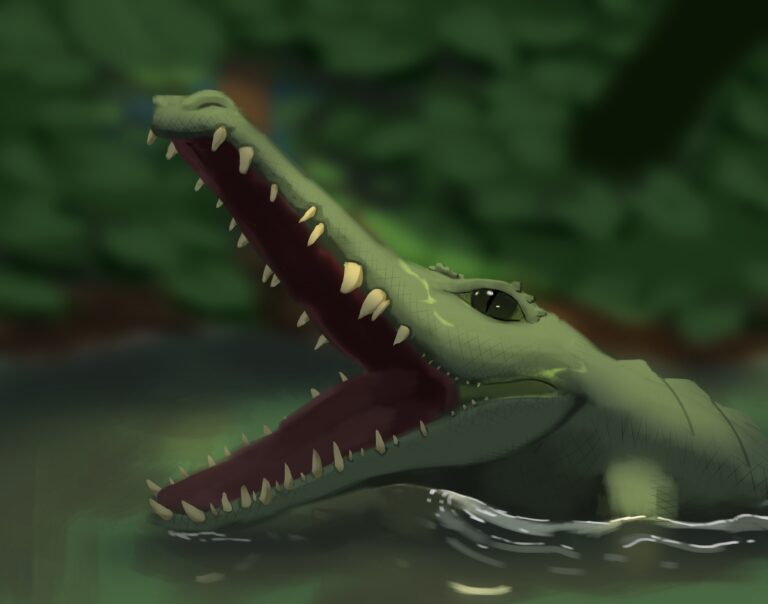
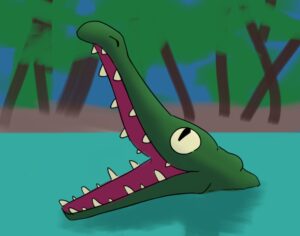
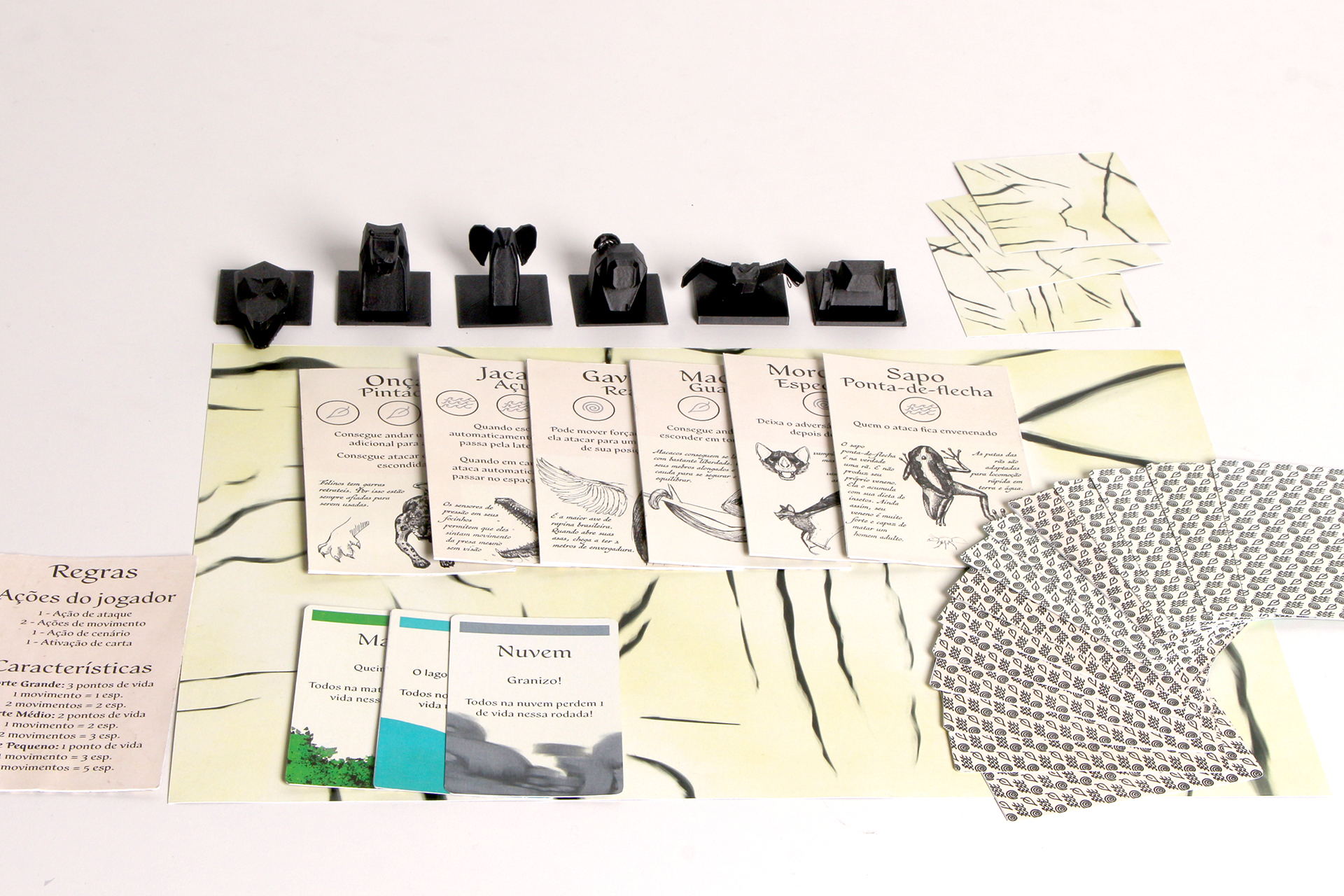
After defining the core mechanics, we moved on to researching visual directions for the project. We wanted the illustrations to reflect the same sense of curiosity and fascination we hoped to inspire in players. For this, we drew inspiration from old observation drawings made by biologists when encountering new species. We also added annotations beside the illustrations, using a typeface that mimics handwriting, with information about the animals’ real characteristics and how these translated into their abilities in the game.
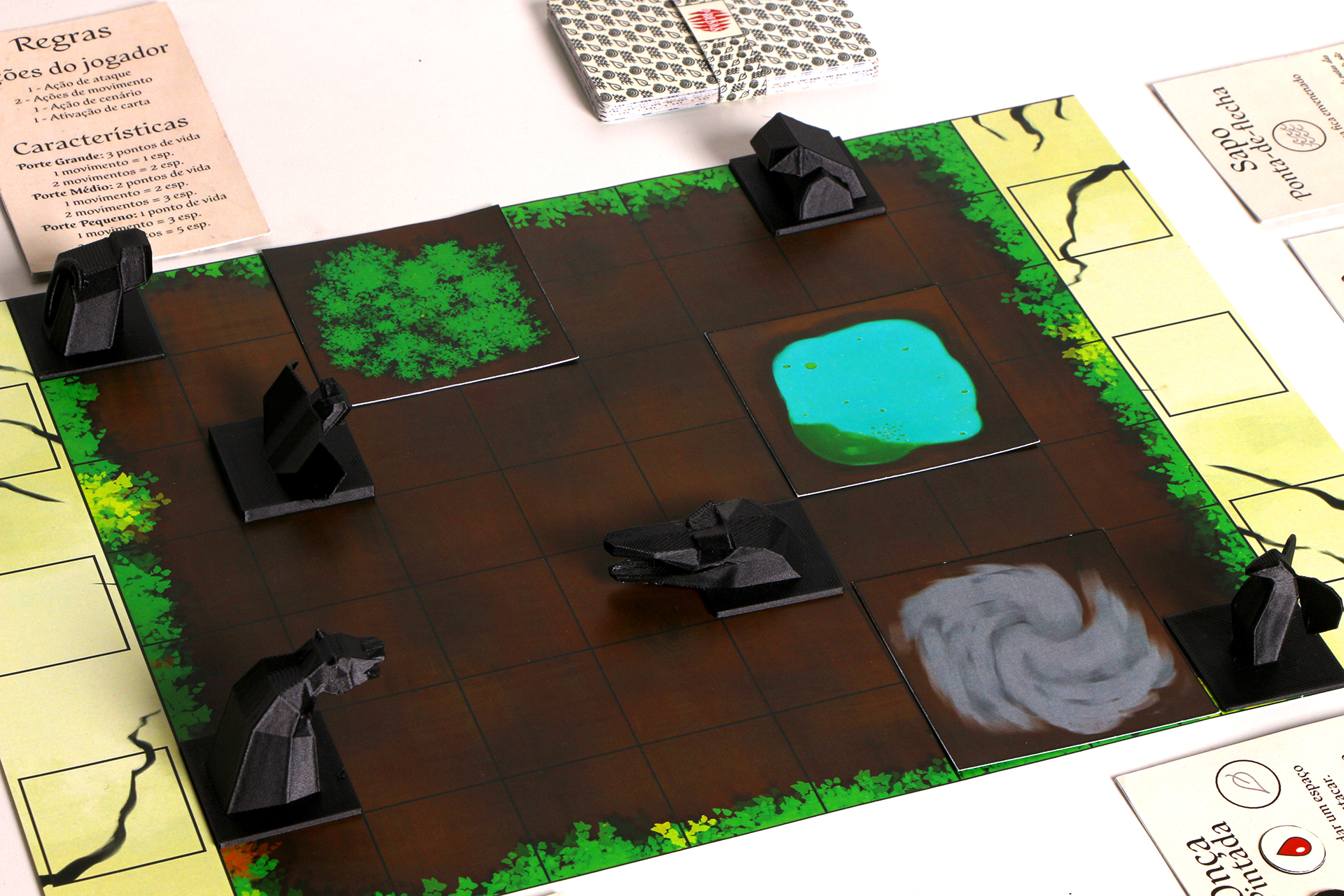
Presas is a two-player strategy game that encourages curiosity about Brazilian wildlife and draws attention to problems caused by human actions. The game takes place in a part of the Amazon rainforest heavily impacted by human activity. The characters are animals from this ecosystem. Each player controls three animal pieces, one of each size category (small, medium, large), and must eliminate the opponent’s pieces by using their animals’ unique traits and the environment.
Pieces
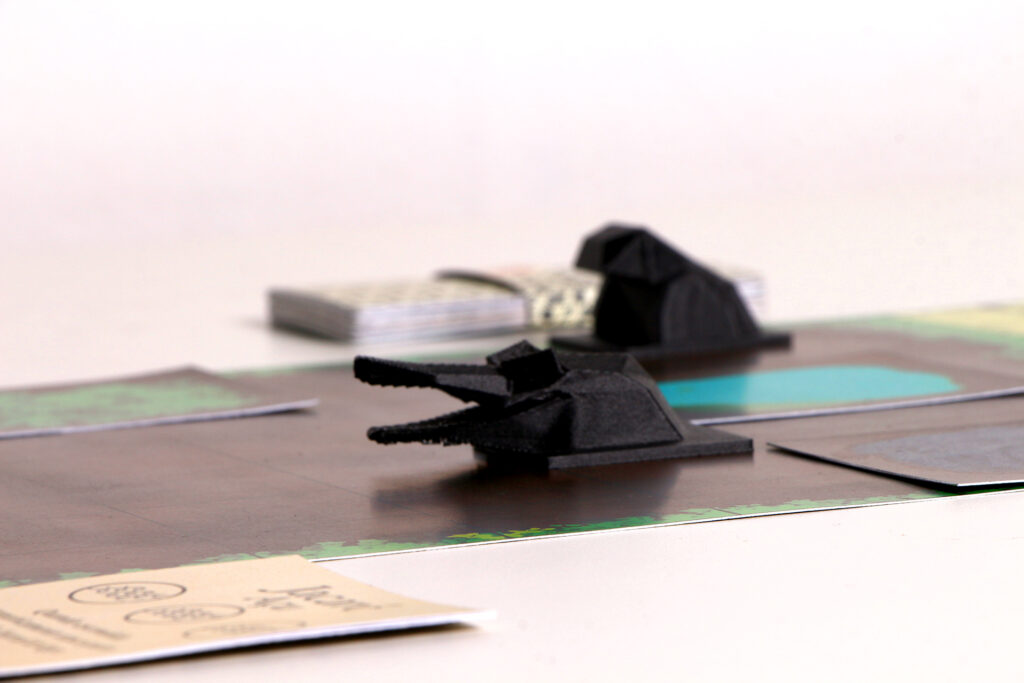
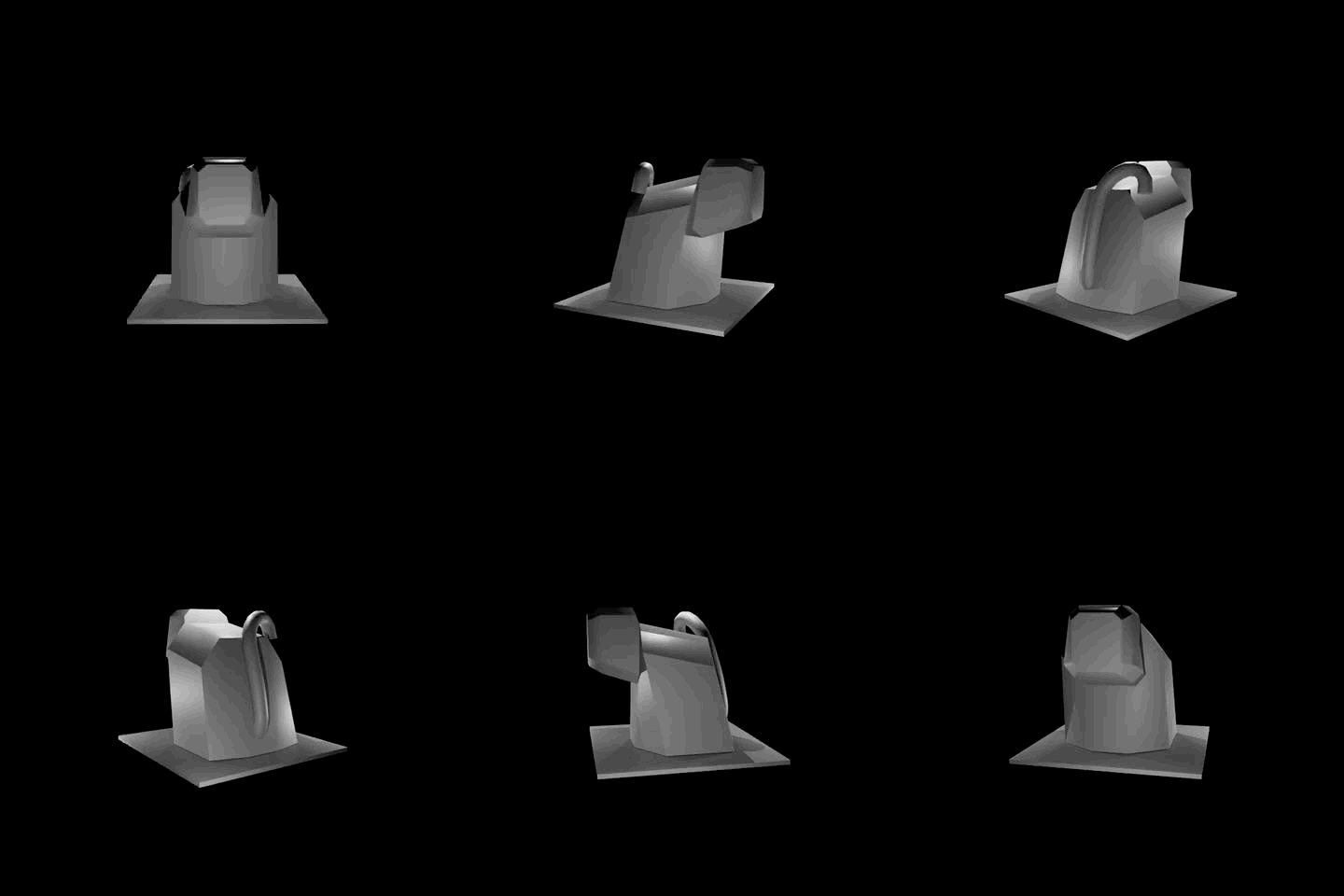
For the animal pieces used for the board, we simplified the shapes to resemble hand-carved wooden chess pieces, with fewer curves and some sharper edges. The bases were designed to match exactly the size of the board’s squares.
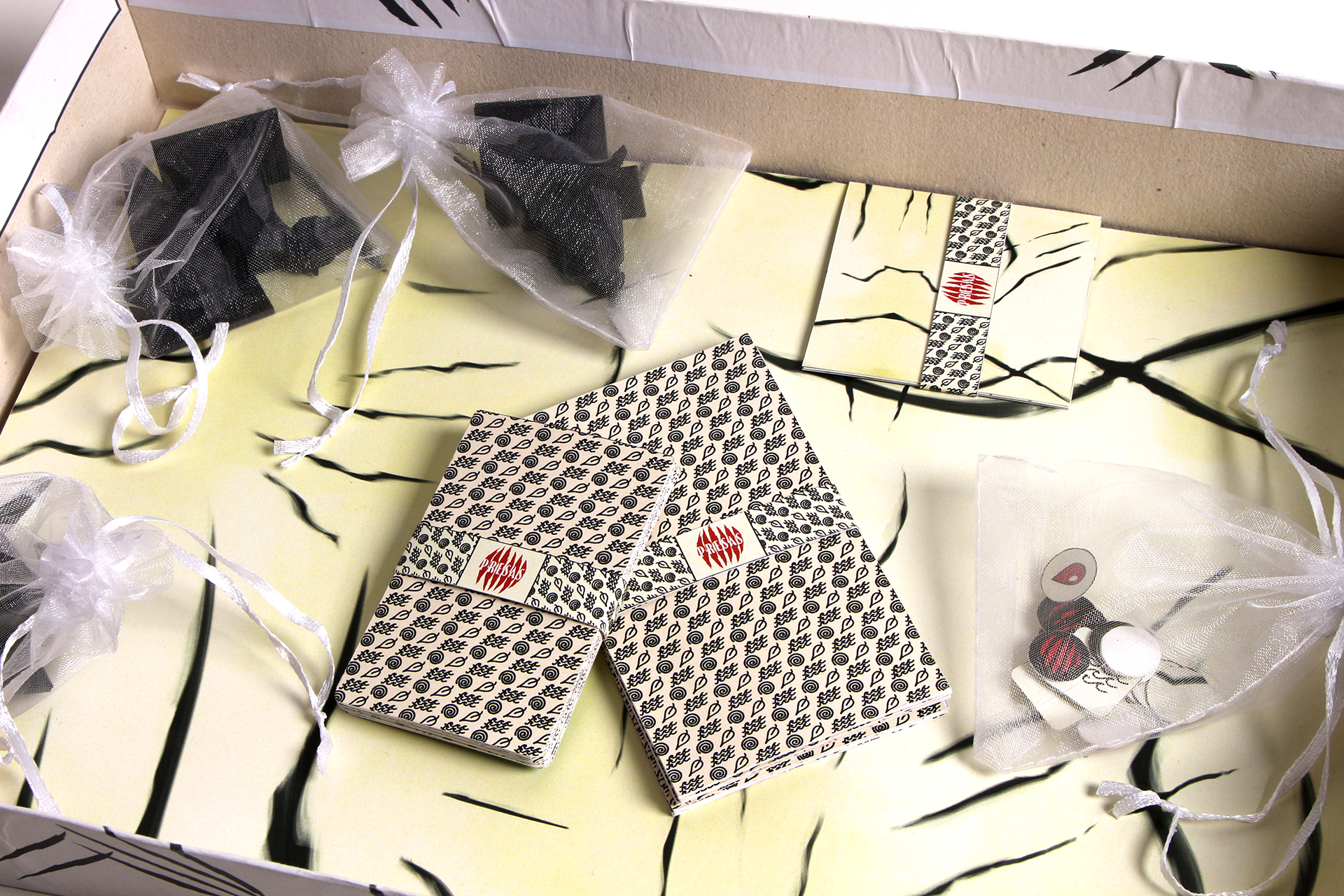
To reinforce the rustic look of the game, we chose to print in black on pollen paper. The yellowish tone of this material, combined with the illustration style and chosen typefaces, gives the impression of aged paper. Where pollen paper could not be used, we simulated the same color through printing.